
Published August 11, 2026
What Documents Do I Need to Sell My Home in Orange County?

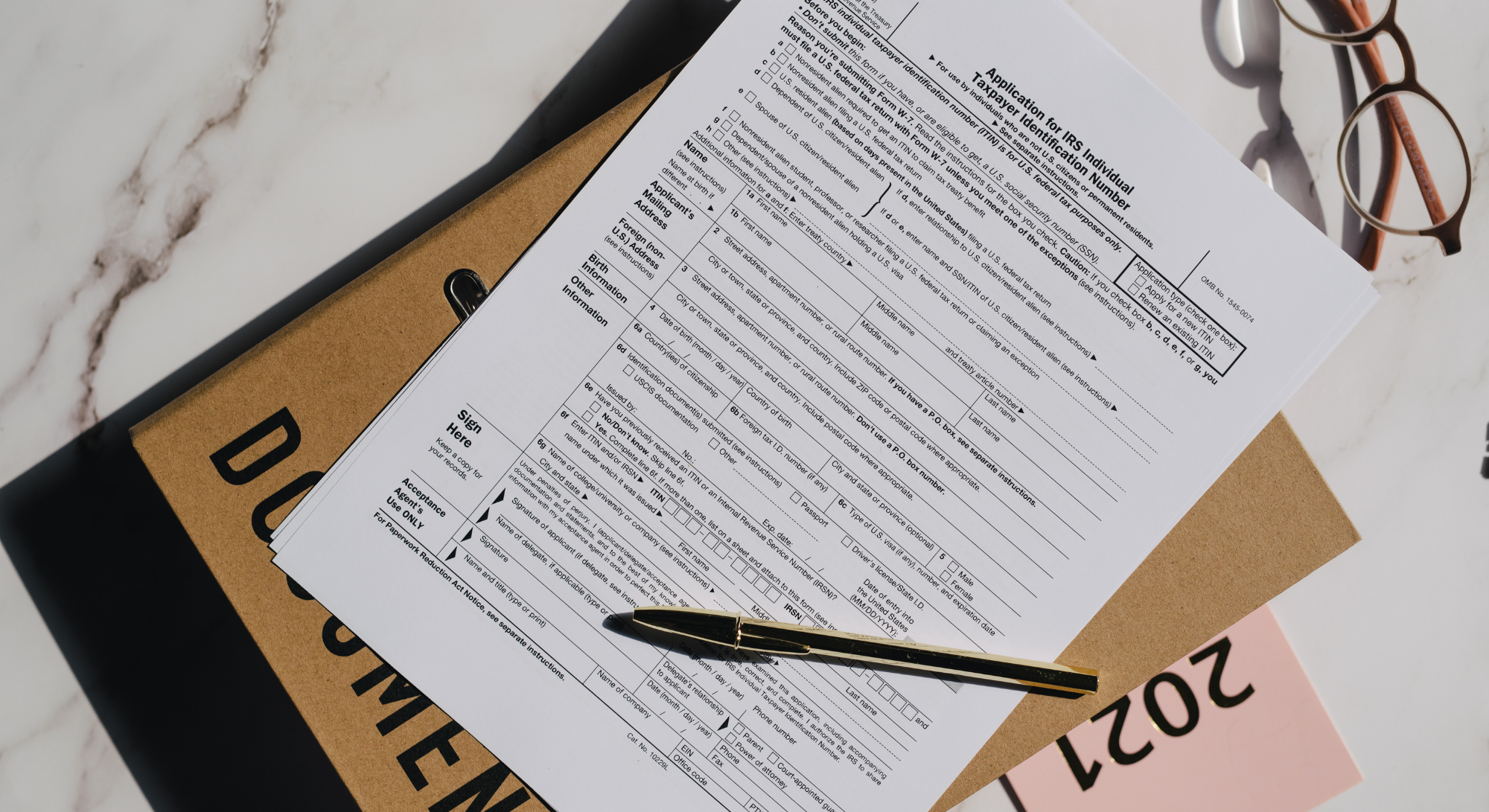
What documents do you need to sell your home in Orange County?
You typically need documents related to your ownership, mortgage, property condition, and sale disclosures. If you plan to Sell Home in Orange County, preparing these documents early can help prevent delays and make the transaction easier to manage with your real estate agent, escrow company, title company, and other professionals.
Selling a home involves more paperwork than simply signing a listing agreement. The exact documents you need depend on your property, ownership situation, mortgage, and the details of the transaction. Rochelle Chacon with Coldwell Banker Realty can help you understand what to gather and coordinate with the appropriate professionals when additional documentation is required.
Start With Your Ownership Documents
The first group of documents establishes who owns the property and whether you have the legal authority to sell it.
You may need:
-
Grant deed or other recorded deed
-
Current title information
-
Trust documents, if the property is held in a trust
-
Divorce or court documents, if applicable
-
Probate documents, if you inherited the property
-
Power of attorney, if someone else will sign for you
-
Business or corporate documents if the property is owned by an entity
You may not need to personally obtain every one of these documents. Your escrow or title company will generally help verify ownership and identify what is required.
Still, knowing where your important documents are can save time.
For example, if your Orange County home is held in a trust, don't wait until the last minute to mention it. Trust ownership can require additional documentation before the sale can proceed.
Mortgage and Loan Documents
If you still have a mortgage, selling your home does not automatically prevent you from closing. The existing loan is generally paid off from the sale proceeds at closing.
You should have information about:
-
Current mortgage lender
-
Loan number
-
Approximate outstanding balance
-
Home equity line of credit, if applicable
-
Second mortgage, if applicable
-
Prepayment or payoff information, if applicable
Your actual payoff amount will come from the lender and can change over time because of interest and other charges.
If you have a HELOC, solar financing, or another lien connected to the property, tell your agent and escrow company early. These items can affect your estimated proceeds and the steps needed before closing.
Rochelle Chacon's approach to selling focuses on understanding the property and the seller's goals before determining the best strategy. Her website explains that her team uses current MLS information, comparable properties, and market data when helping sellers determine pricing and prepare their homes for market. (Rochelle Chacon Real Estate Group)
California Seller Disclosure Documents
California sellers have important disclosure responsibilities.
One of the key documents is the Transfer Disclosure Statement (TDS). Depending on the property and circumstances, you may also encounter other disclosures and forms relating to the property's condition, environmental hazards, local requirements, or other applicable matters.
Your disclosures may address things such as:
-
Known defects
-
Roof condition
-
Plumbing or electrical issues
-
Water intrusion
-
Previous repairs
-
Additions or improvements
-
Appliances
-
Property boundaries
-
Known environmental conditions
-
Other material facts about the property
Be honest and complete when answering disclosure questions.
If you're unsure whether something must be disclosed, don't guess. Ask your real estate professional, and seek legal advice when the issue involves a legal question.
Rochelle's role is to help guide you through the real estate process, but legal and tax questions should be handled by appropriately licensed professionals.
Records for Repairs and Improvements
If you've remodeled or upgraded your Orange County home, gather documentation before listing.
Useful records can include:
-
Contractor invoices
-
Receipts
-
Building permits
-
Warranties
-
Inspection reports
-
Appliance documentation
-
Roof warranties
-
Solar agreements
-
HVAC service records
-
Plumbing or electrical invoices
These records can be especially helpful when a buyer asks about a major improvement.
For example, if you replaced the roof several years ago, having the invoice and warranty information available may make it easier to answer buyer questions.
The same applies to kitchen renovations, bathroom remodels, windows, solar installations, additions, and other significant improvements.
Documents for Solar Panels
Solar can require additional attention when you're preparing to sell.
If your property has solar panels, determine whether the system is:
-
Owned outright
-
Financed
-
Leased
-
Subject to another agreement
Locate the related contract, payment information, warranty, and transfer requirements.
Don't assume the buyer will automatically take over the agreement. The terms of the solar arrangement matter.
This is one reason it is better to identify potential complications before your home goes on the market rather than during escrow.
Homeowners Association Documents
If you own a condo, townhome, or property within a homeowners association, you'll likely need HOA-related information.
This can include:
-
HOA contact information
-
Monthly or annual dues
-
Rules and regulations
-
Recent notices
-
Special assessments
-
Pending assessments
-
Association documents
-
Financial information
-
Insurance information
-
Required resale documents
This is particularly relevant when selling condos in Orange County communities such as Huntington Beach, Irvine, Anaheim, or other areas with extensive HOA communities.
Buyers may want to review association information before moving forward, so obtaining the appropriate documents early can help keep the transaction moving.
Property Tax Information
You should also have your property tax information available.
This can help you and your professionals understand:
-
Property tax account information
-
Current tax status
-
Whether taxes are paid
-
Potential supplemental tax considerations
-
Property assessment information
Your escrow company will handle many closing calculations, but having your records available can make it easier to answer questions.
Keep in mind that property taxes and potential tax consequences can be complicated. If you're concerned about how selling will affect your tax situation, speak with a qualified CPA or tax professional.
Documents Related to Tenants
If you're selling an Orange County property that currently has tenants, additional documents may be necessary.
Gather:
-
Current lease agreement
-
Rental agreements
-
Security deposit information
-
Rent payment records
-
Notices given to tenants
-
Any amendments to the lease
-
Documentation regarding tenant rights or agreements
Selling a tenant-occupied property involves more than simply putting the home on the market.
Your agent should understand the existing rental arrangement before advising you on marketing, showings, timing, and the transaction.
Documents You May Need at Closing
As the transaction moves toward closing, you'll sign additional paperwork through escrow.
Depending on your situation, this may include:
-
Purchase and sale documents
-
Deed-related documents
-
Seller disclosures
-
Escrow instructions
-
Payoff authorizations
-
Closing statements
-
Tax forms
-
Identification and verification documents
The exact documents vary from transaction to transaction.
Your escrow and title professionals will provide instructions about what you need to sign and when.
What If You Can't Find Your Documents?
Don't panic.
You don't necessarily need to locate every document before speaking with a real estate agent.
Start by gathering what you have:
-
Deed
-
Mortgage information
-
HOA information
-
Improvement records
-
Solar documents
-
Insurance information
-
Lease agreements, if applicable
-
Previous inspection reports
Then tell Rochelle Chacon what you have and what may be missing.
The appropriate professionals can help determine what needs to be obtained.
Why Preparing Documents Early Matters
Getting organized before listing can make the selling process easier.
It can help you:
-
Identify potential issues early
-
Estimate your likely proceeds more accurately
-
Answer buyer questions
-
Avoid unnecessary delays
-
Prepare disclosures more efficiently
-
Give escrow and title professionals time to address problems
This matters in a competitive Orange County market, where buyers may be comparing several properties at once.
Rochelle Chacon's website emphasizes clear communication, current market data, customized marketing, and keeping sellers informed throughout the transaction. (Rochelle Chacon Real Estate Group) Her client reviews also repeatedly mention her responsiveness, knowledge, follow-through, and support throughout the buying and selling process. (Rochelle Chacon Real Estate Group)
Final Thoughts
Knowing what documents you need to Sell Home in Orange County can make the process feel much more manageable. You don't have to have everything perfectly organized before you contact a real estate professional. Start gathering your ownership, mortgage, disclosure, improvement, HOA, and other property records as early as possible.
Every property is different. A single-family home in Mission Viejo may require different documentation from a condo in Irvine, a property with solar panels in Ladera Ranch, or a home held in a trust.
Rochelle Chacon with Coldwell Banker Realty can help you understand the selling process, identify information that may be needed, and coordinate with the appropriate escrow and title professionals as your transaction progresses. Her client reviews include sellers who specifically mention her attention to detail, communication, market knowledge, and follow-through. (Rochelle Chacon Real Estate Group)
If you're thinking about selling your Orange County home, contact Rochelle Chacon before you list. A conversation about your property, timeline, and goals can help you understand what to prepare and what your next steps should be. For legal, tax, estate, or financial questions, consult the appropriate licensed professional.